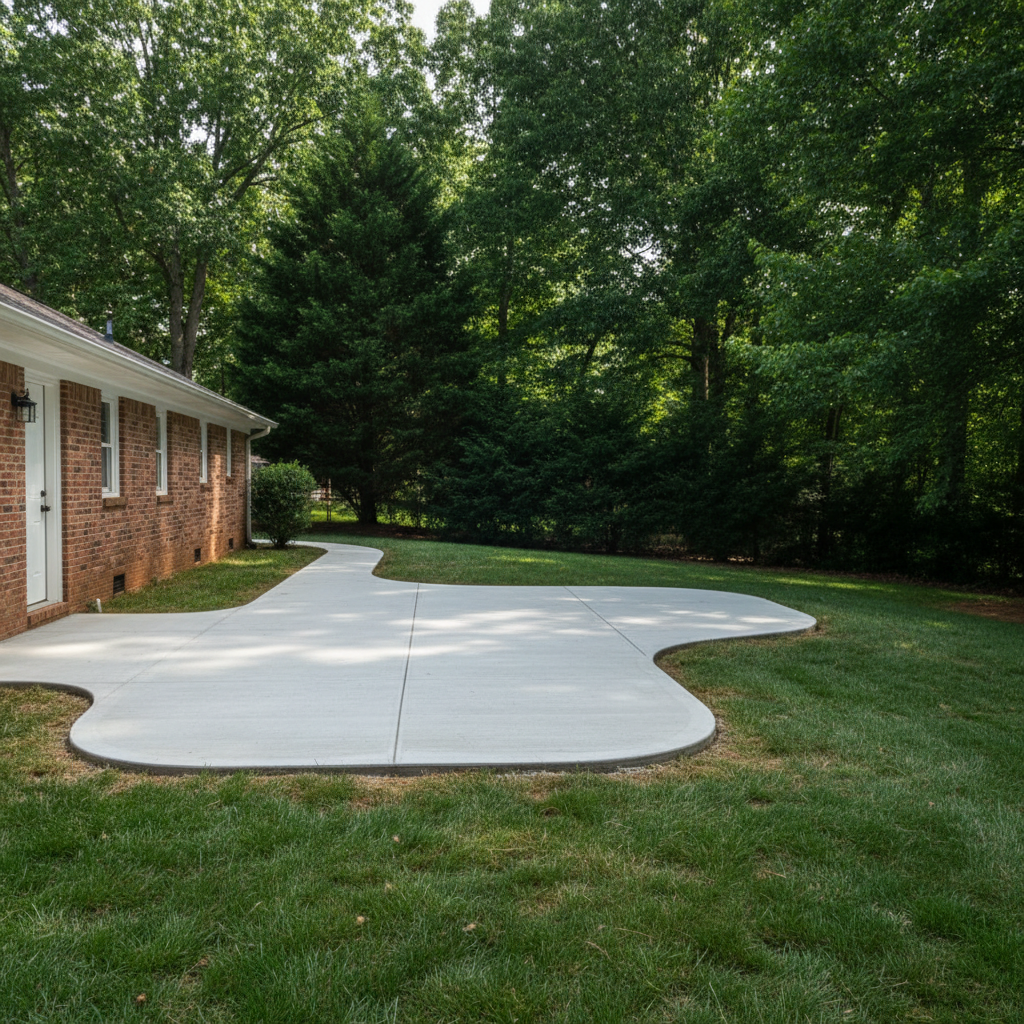
When's the best time to pour new concrete around your place? It's a question I get asked a lot, and for good reason. Here in Decatur, our weather can be a real mixed bag, and it plays a huge role in how well concrete cures and lasts. You can't just pick any old day and expect the best results, especially if you want that driveway or patio to stand up to our Alabama seasons.
Understanding Decatur's Climate and Your Concrete
Our local climate is a big deal for concrete. We've got those hot, humid summers and then winters that can swing from mild to surprisingly cold, sometimes in the same week. That's why timing is everything.
You see, concrete doesn't just dry; it cures. That's a chemical reaction, and temperature and moisture are key players. If it's too hot, the water in the mix evaporates too fast, and you end up with weaker concrete that's more prone to cracking. Too cold, and the curing process slows down or even stops, which also leads to weak spots. Then there's the rain – a sudden downpour on fresh concrete can wash away the surface paste, leaving it rough and compromised.
Best Times to Schedule Your Concrete Project
From what I've seen over the years, there are definitely sweet spots for pouring concrete here in Decatur.
- Spring (Late March to Early June): This is often ideal. Temperatures are usually mild, not too hot, not too cold. We get some good, consistent moisture without the extreme downpours of summer. It gives the concrete plenty of time to cure properly before the intense heat hits.
- Fall (Late September to Early November): Another fantastic window. The scorching summer heat is gone, and we're not yet into the deep freezes. Again, consistent, moderate temperatures are your friend.
What about summer and winter? We can certainly pour concrete then, but it requires more careful planning and sometimes special additives or techniques. In summer, we might pour earlier in the morning or use retarders to slow down the set time. In winter, we'd use accelerators or blankets to protect the concrete from freezing. It's all about managing the conditions, and that's where experience with our specific climate comes in.
Weather Conditions to Watch Out For
Before any pour, I'm always checking the forecast like a hawk. Here's what makes me tap the brakes:
- Extreme Heat: Anything consistently above 90°F with high humidity can be tough. It makes the water evaporate too quickly, leading to plastic shrinkage cracks.
- Freezing Temperatures: If the temperature is going to drop below 40°F within 24-48 hours of the pour, that's a red flag. Freezing water expands, and that can damage uncured concrete.
- Heavy Rain: A light drizzle usually isn't a problem, but a heavy rainstorm can ruin a fresh pour, washing out the cement paste and weakening the surface.
- High Winds: Believe it or not, strong winds can also speed up surface drying, similar to high heat, leading to issues.
Sometimes, you just have to reschedule. It's better to wait for the right conditions than to rush it and end up with a compromised product.
Protecting Your Concrete Investment Year-Round
Once your concrete is in and cured, the work isn't entirely done. You've made an investment, and you want it to last. Here's how to keep it looking good:
- Sealing: This is probably the most important thing you can do. A good quality sealer protects against moisture penetration, stains, and even helps prevent freeze-thaw damage. I usually recommend sealing within a year of installation and then every 2-5 years, depending on the sealer and traffic. For folks living near the river or in areas with more clay soil, sealing is even more critical because of the moisture fluctuations.
- Cleaning: Regular cleaning helps prevent dirt, grime, and mildew from building up. A simple pressure wash once a year can do wonders. Just be careful with the pressure setting; too high can damage the surface.
- Crack Management: Concrete cracks. It's a fact of life, especially with our expansive clay soils here in North Alabama. Small hairline cracks are usually nothing to worry about. If you see larger, structural cracks, or if they're growing quickly, that's when you give us a call at Elite Concrete Solutions. We can assess if it's just a cosmetic fix or something more serious.
- De-icing Salts: Be really careful with de-icing salts in winter. Many common salts can be very damaging to concrete, especially newer concrete. Sand is a much safer alternative for traction.
Taking a little time for maintenance goes a long way. It protects your investment and keeps your property looking its best. If you've got questions about your concrete or need a hand with a project, you know who to call.